The Quiet Power of Not Knowing
Why intellectual humility is a strength rather than a weakness, and how admitting what we do not know opens the door to clearer thinking.

Dr. Elena Marsh
Philosopher & Founding Editor
There is a particular kind of confidence that comes from pretending to know more than we do. It is loud, it is quick, and it rarely lasts. The older, quieter confidence grows from the opposite habit: naming the edges of what we actually understand.
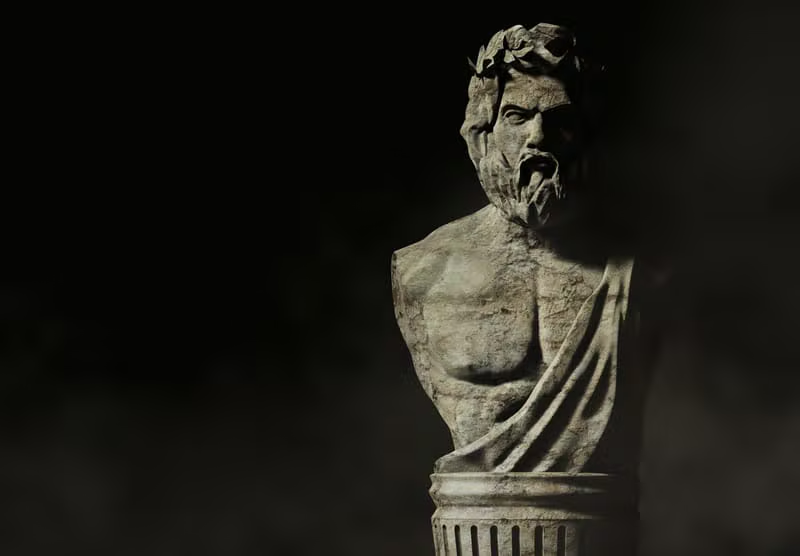
Socrates made this the centre of his life. He wandered a busy city asking people to explain the things they claimed to be sure of, and the conversations kept landing in the same place — a shared, honest not-knowing. That was not a defeat. It was the ground on which real thinking could begin, because a mind that has admitted a gap is finally free to explore it.
Not knowing is not the end of thought. It is the beginning, and it is available to anyone willing to say the simple sentence out loud: I am not sure yet.
Key ideas
Humility is a strength, not a weakness. Honest questions open doors that certainty keeps shut. Admitting a gap is where real thinking starts.
A question to sit with
What is one belief you hold with more confidence than your evidence really supports? What might change if you held it a little more loosely?
About the author
Elena writes about ethics, attention, and the examined life, and believes the best ideas are the ones we are willing to question.